Research theory
Threat-simulation lens
Dreaming may rehearse threat detection and response, but the theory does not explain every chase.
Context record · Being chased
The pursuer matters, but your available responses—running, hiding, freezing, confronting—often reveal more.
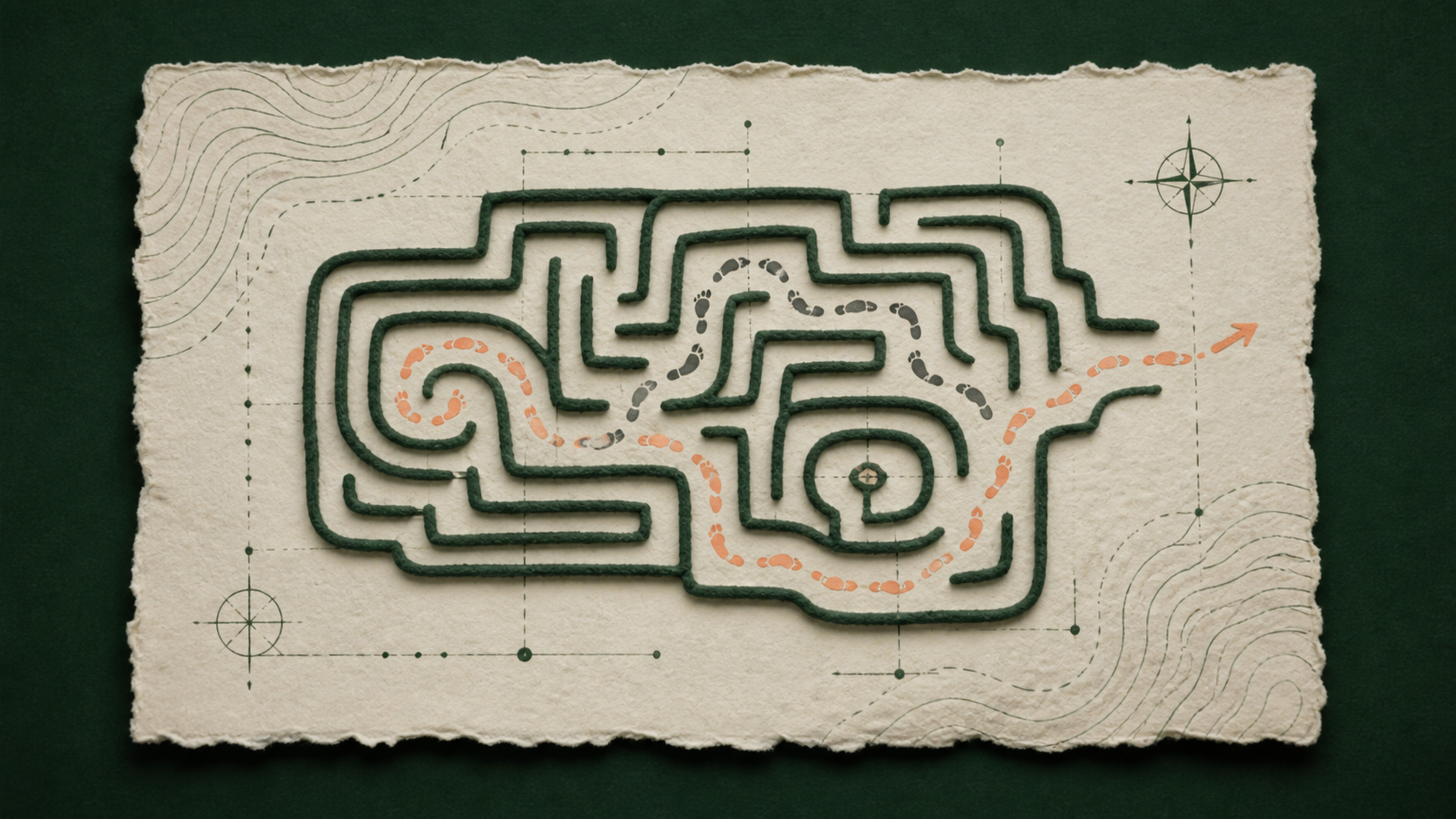
Created for this motif’s context records. The image illustrates the subject; it is not evidence for an interpretation.
Separate what the person actually did from what their role or opinion means to you.
It does not diagnose a condition, reveal another person’s intentions, or predict a future event. A memorable match after waking can be meaningful to you without establishing a predictive mechanism.
Details that change the reading
The relationship in waking life
What the pursuer seemed to want
Whether you could speak to them
Compare explanations
Research theory
Dreaming may rehearse threat detection and response, but the theory does not explain every chase.
Research-informed
Deadlines, social conflict, frightening media, or unsafe experiences may be transformed into pursuit.
Self-observation
In repeated chases, changes in route, helpers, pursuer, and your agency can be more informative than a fixed symbol.
Follow-up questions
Sources & claim limits
These sources support the research labels used on this page. They do not demonstrate that this scene has a universal interpretation or predicts an event.
Traumatized children in the study reported more frequent and severe threatening dream events, supporting several predictions of threat-simulation theory.
↗Dream content can reflect waking activity, with important limits and variation.
↗Want to include your emotion and action?